For years, almost every article written about architecture has focused on the climate, net zero, sustainability, carbon emissions, global warming, resilience, retrofit, adaptive reuse, passive this and circular that, etc.
It’s clear there is a huge environmental lobby disproportionately weighing the scales to one side of the argument, which, of course, is their democratic right. But I believe that these arguments simply need to be counteracted by sensible, practical, business, management and financial matters relating to the everyday practice of getting things built. Running a profitable practice is key.
About Austin
Austin Williams is the author of several books, including Enemies of Progress: The Dangers of Sustainability, New Chinese Architecture: 20 Women Building the Future, and co-author of The Lure of the City: From Slums to Suburbs. He co-founded the mantownhuman manifesto and hosts the Professional Practice Podcasts.
Austin is currently a Visiting Scholar at XJTLU university in Suzhou. He previously convened Shanghai Jiaotong University’s Urban Design summer school, and judged the World Architecture Festival China in Luzhou.
Follow Austin on X: @Future_Cities
Date, Time and Venue: Thursday 17 September at 19.00 in the parlour of the Brunswick Inn, Derby
Tickets £3 (plus fee) from Eventbrite.
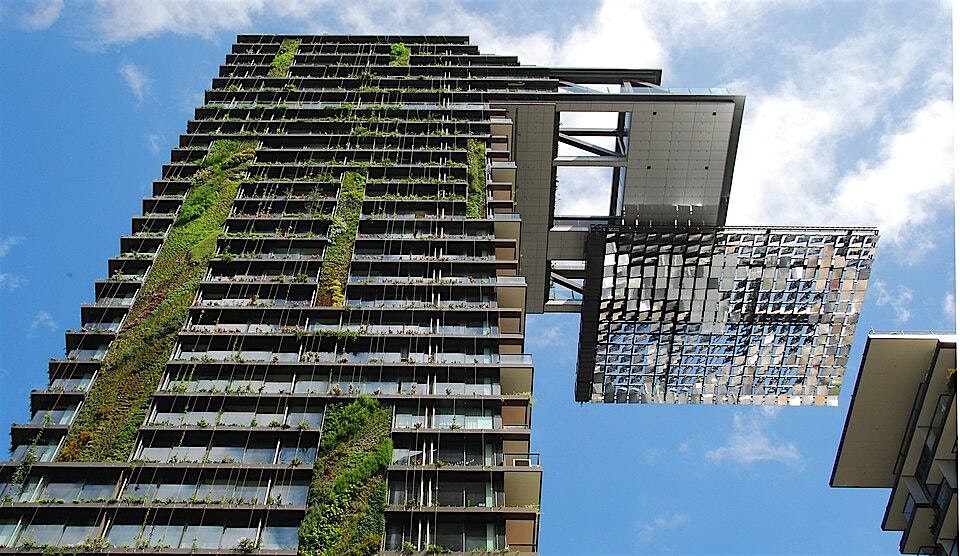
Photo Credit: bobarc (2014) Hanging gardens of One Central Park, Sydney. Licensed under the Creative Commons Attribution 2.0 Generic license.